













Canada is vast, wild, and incredibly diverse. From vibrant cities like Montréal, Vancouver, Ottawa and Toronto to endless national parks, turquoise lakes, and snowy mountain ranges, it’s a country where nature and modern life coexist beautifully.
One day you’re sipping coffee in a creative urban neighborhood, the next you’re hiking beside glaciers, spotting wildlife, or driving through forests that seem to never end.
This Canada travel guide brings together my personal tips, favorite places, and practical advice to help you plan your trip with confidence.
English & French
“Thank you” = Thank you / Merci
Canadian Dollar (CAD)
Many nationalities need an eTA (Electronic Travel Authorization) or visa
Type A / B (110–120V)
Ottawa
Summer (June–September) for cities & nature
Fall (September–October) for autumn colors
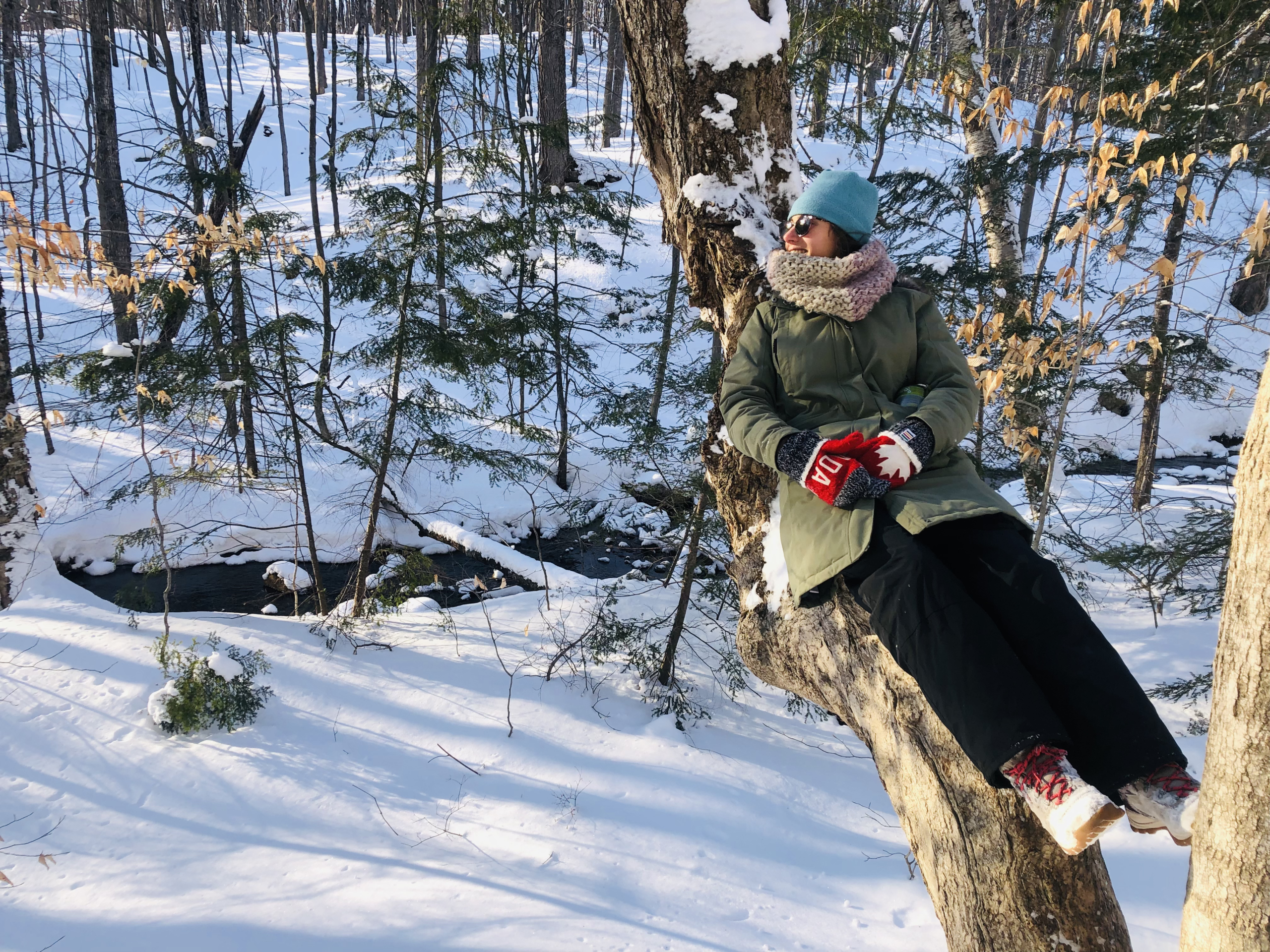
Winter (December–March) for snow & winter sports
Uber, Lyft, Google Maps, Airbnb, Parks Canada
Epic nature, national parks, maple syrup, friendly people, and multicultural cities
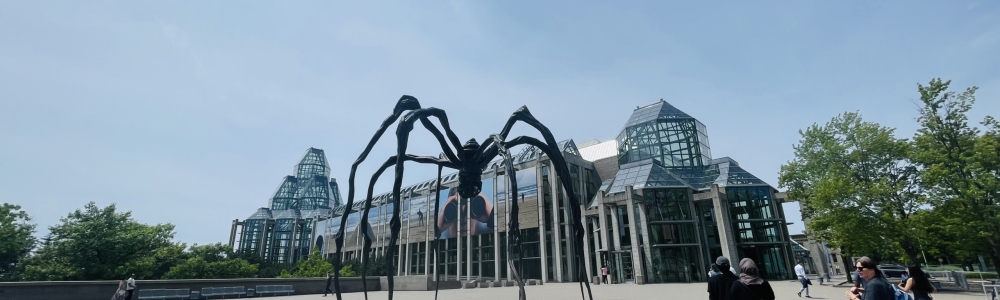
Ottawa — Walk or bike along Rideau Canal, a UNESCO World Heritage Site; Hike around Gatineau Park‘s forests and lakes; Visit Top Museums like The Canadian Museum of History, National Gallery of Canada, and Canadian Museum of Nature.
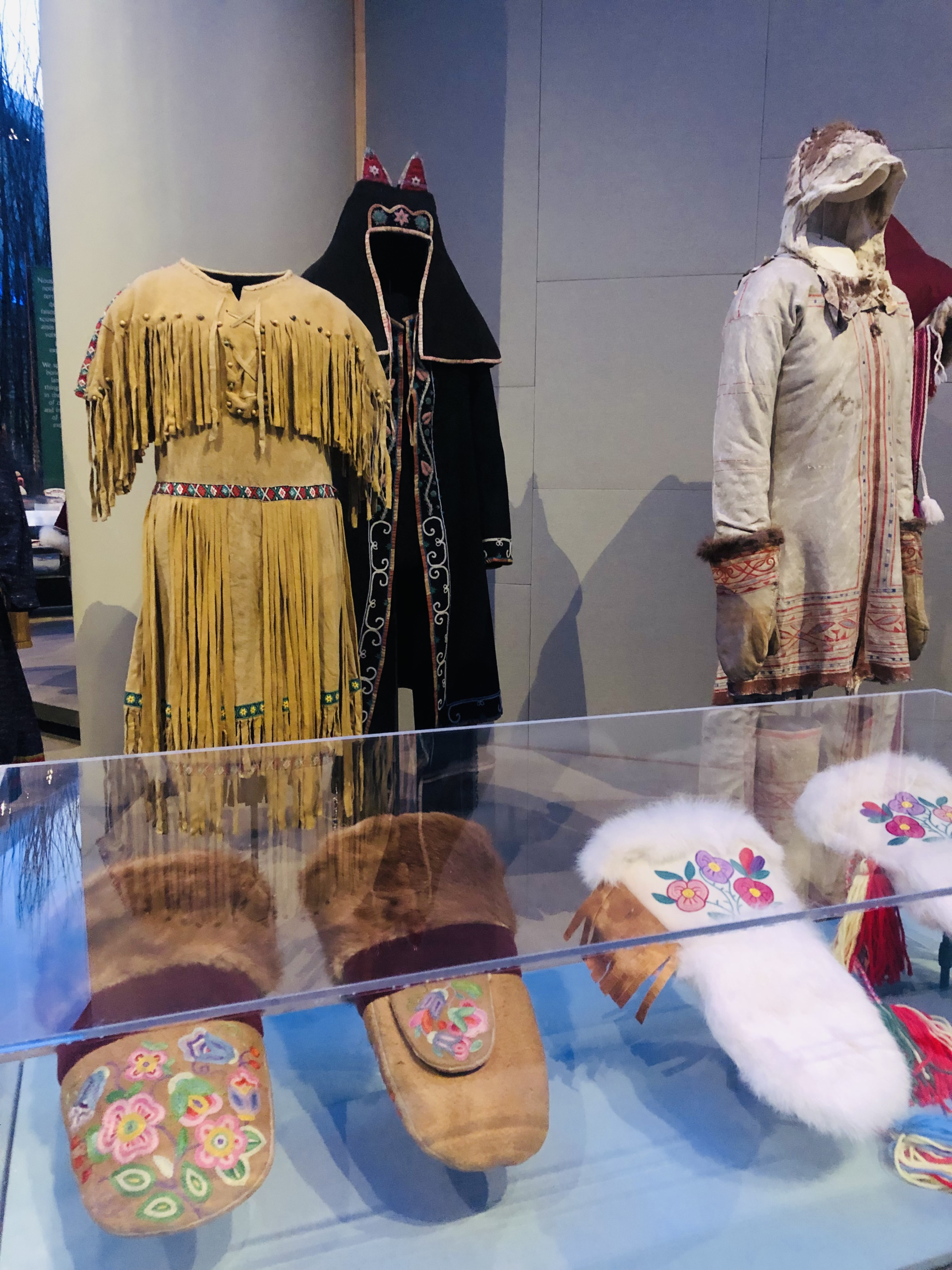
Indigenous Culture & Events — Indigenous culture is deeply rooted in Canada and increasingly visible to travelers. Powwows & Indigenous festivals celebrate music, dance, regalia, and storytelling. The Canadian Museum of History (Ottawa) is one of the best places to learn about First Nations, Métis, and Inuit cultures.
Montréal — Old Montréal (Vieux-Montréal) is filled with Cobblestone streets and historic buildings. Mount Royal is the best viewpoint over the city, especially at sunrise or sunset. Plateau Mont-Royal holds colorful houses, murals, cafés, and creative vibes.
Québec City — Québec City feels like stepping into Europe without leaving North America. Old Québec (Vieux-Québec) is A UNESCO World Heritage Site with fortified walls and narrow streets.
Nature Everywhere — Even cities in Canada are deeply connected to nature. Parks, rivers, and green spaces are everywhere
🍽️ Must try : Poutine, maple syrup (real one!), smoked meat (Montréal), Nanaimo bars, butter tarts.
🥗 Diet-friendly: Canada is very accommodating for vegetarians, vegans, and gluten-free travelers — especially in big cities.
☕ Lifestyle note: People are polite, respectful of personal space, and very used to diversity. “Sorry” is practically a national word.
💰 Canada is not a cheap destination, but costs vary a lot depending on your travel style.
💳 Cards are accepted almost everywhere — cash is rarely needed.
💡 Tip: Accommodation is the biggest expense. Book early, especially in summer and in national parks.
🚇 Cities:
Public transport works well in major cities (metro, buses, streetcars).
✈️ Long distances:
Canada is HUGE — flying saves a lot of time between regions.
🚗 Road trips:
Renting a car is often the best option for exploring nature (Rockies, national parks, coastal routes).
🚆 Trains:
VIA Rail is scenic but often slow and expensive — better for experience than efficiency.
🛡️ Safety: Canada is generally very safe. Still, basic precautions apply in big cities.
🌙 At night: Cities are safe, but stay aware, especially downtown late at night.
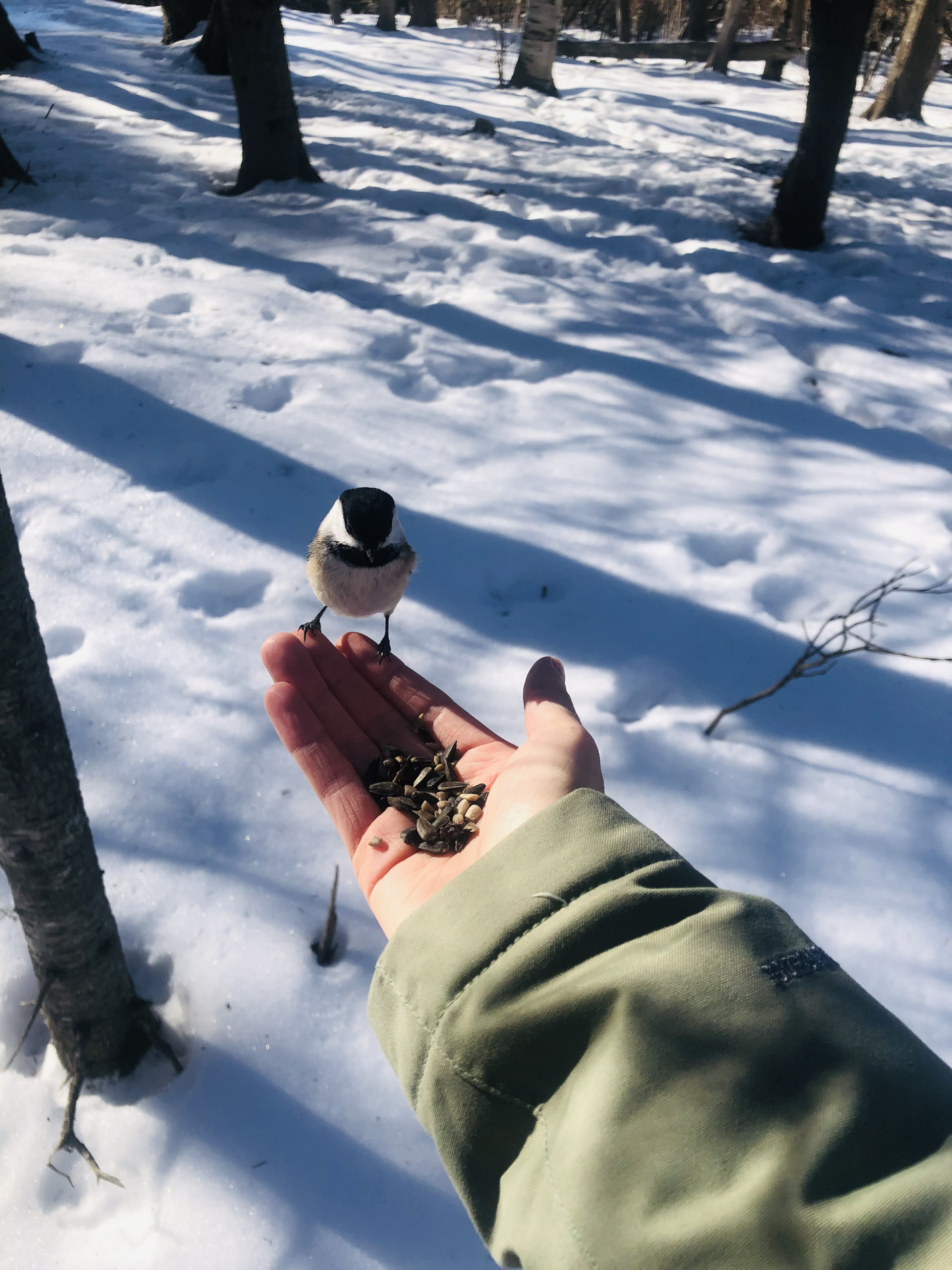
🌿 Nature safety: Respect wildlife rules (bears, moose, etc.). Always follow park guidelines.
🧊 Weather awareness: Weather can change quickly — dress in layers and always check forecasts.
🇨🇦 Canada is officially bilingual:
English-speaking regions: Most of the country
French-speaking regions: Québec (especially outside Montréal) and Ontario
You’ll hear familiar English, with a few local twists:
Québec French has its own rhythm, pronunciation, and slang — very different from France French, but incredibly expressive.
Common Québécois expressions:
“Allô” → hello (even in person)
“C’est le fun” → it’s fun / nice
“Magasiner” → to shop
“Char” → car
“Déjeuner / Dîner / Souper” → breakfast / lunch / dinner
“Pantoute” → not at all
“Tabarnak” → strong swear word (you’ll hear it… maybe don’t repeat it 😅)
✨ Point of You tips :
Even basic French goes a long way in Québec and Ontario. Locals truly appreciate the effort — and don’t worry if your accent isn’t perfect.
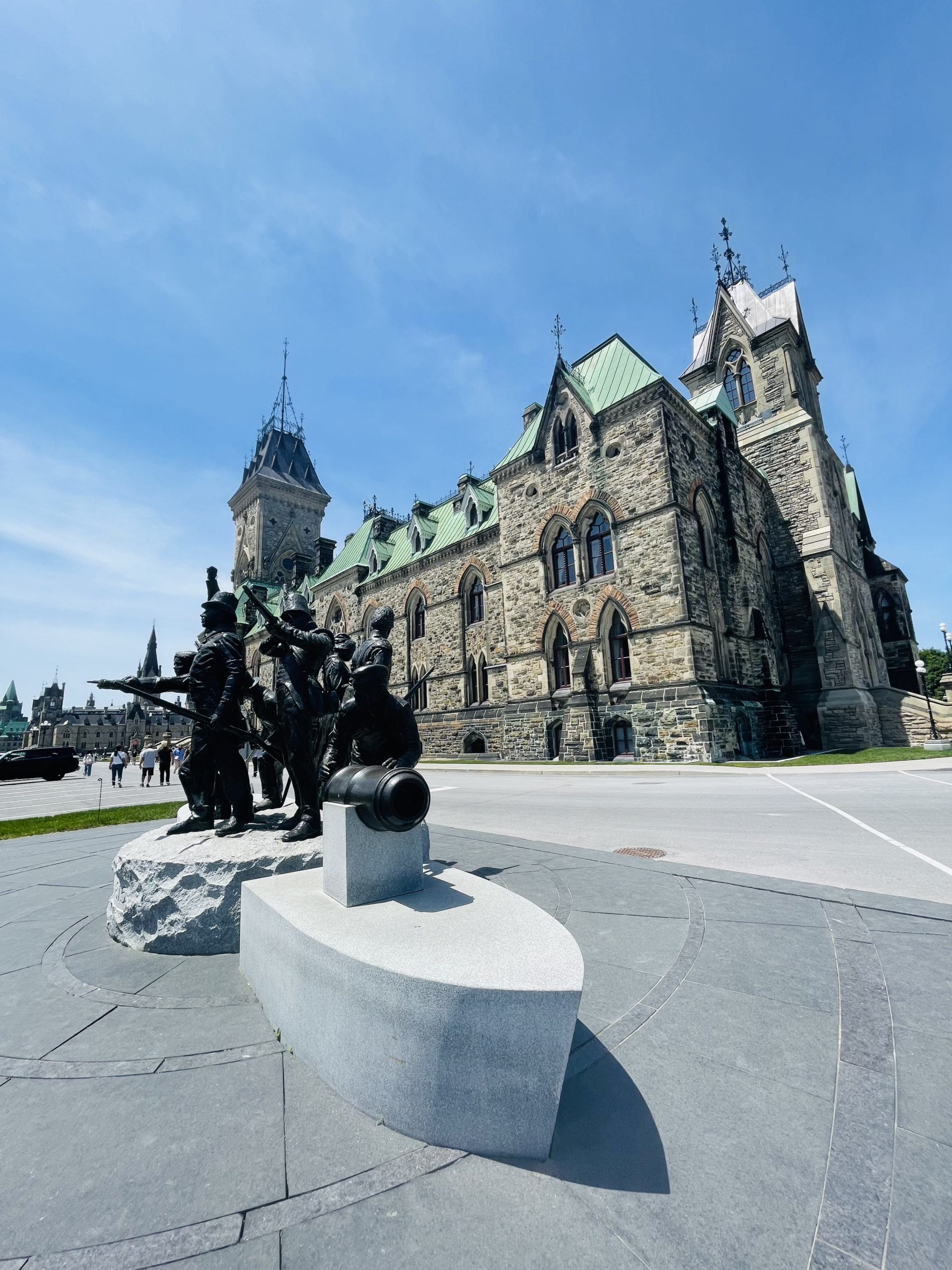
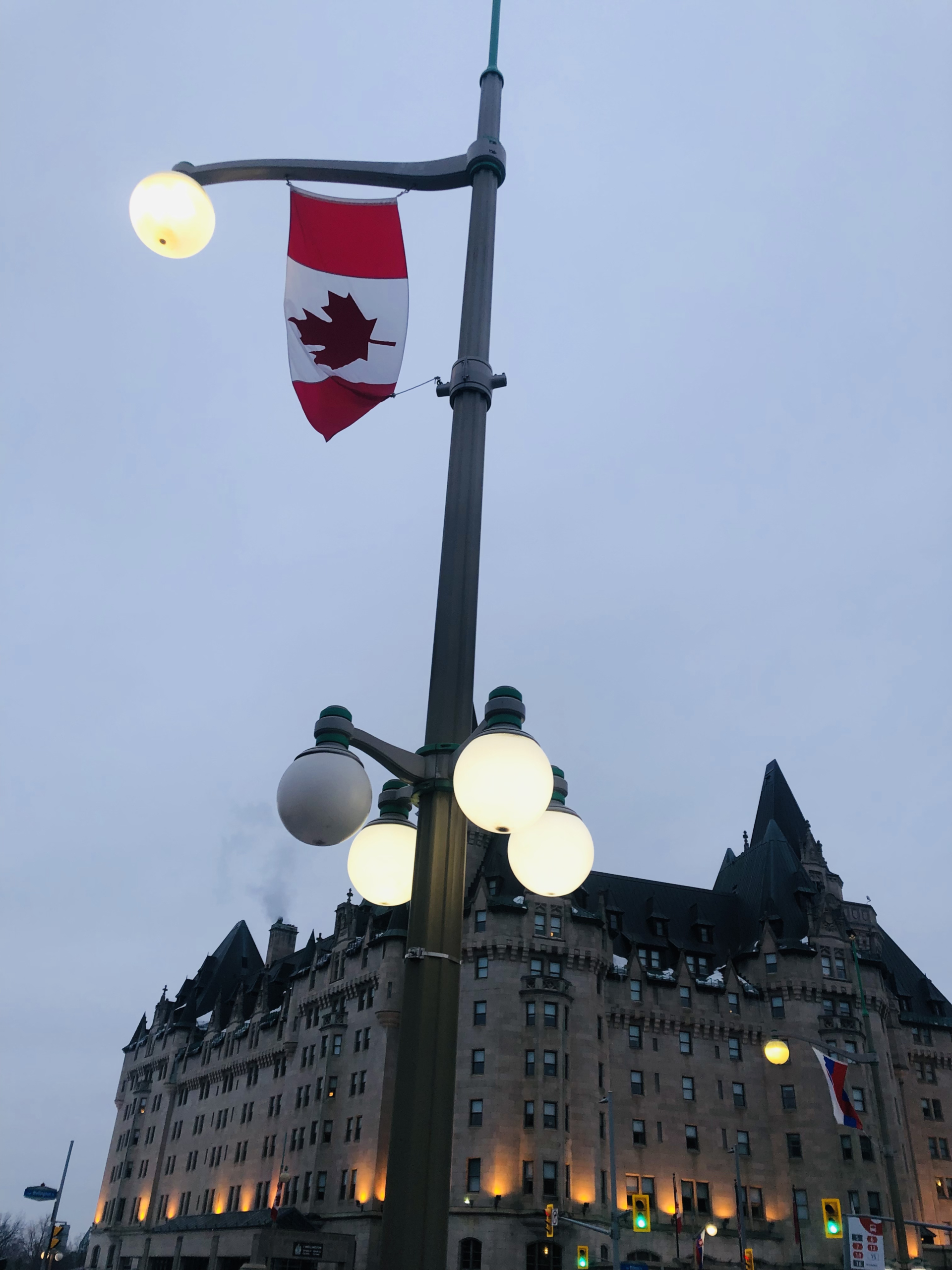
I’ve only been to Ottawa, the capital of Canada, as I have family there — but it left a great impression on me.
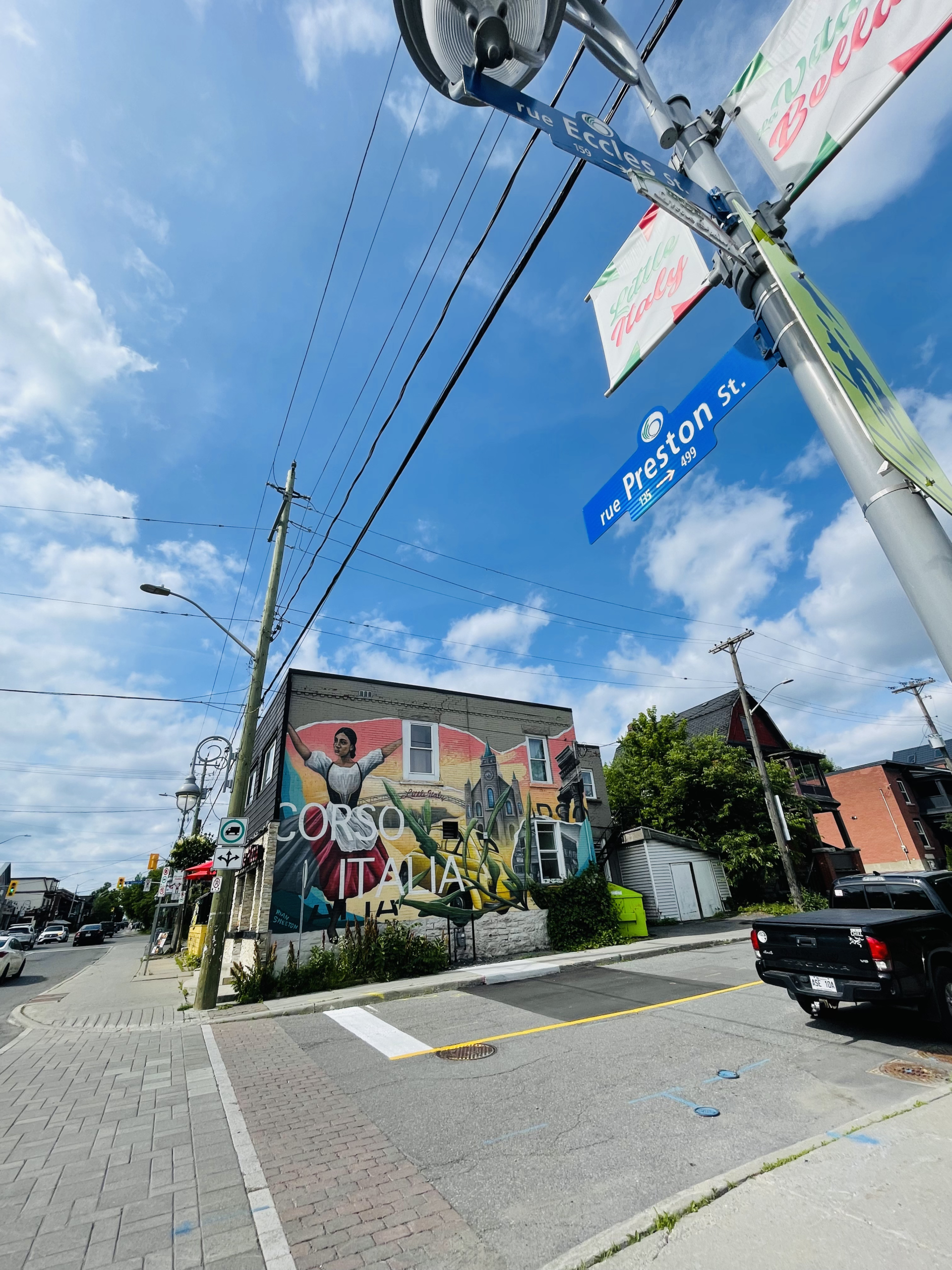
What I loved most about Ottawa is how friendly and welcoming people are, and how naturally bilingual the city feels. Switching between English and French is completely normal, and it gives the city a unique cultural balance.
Ottawa also has amazing museums (many of the country’s best are located there), great food spots in the city center, and a calm, livable atmosphere that makes it easy to explore on foot.
As someone with celiac disease, I was pleasantly surprised by the awareness around gluten-free needs. Restaurants were informed, accommodating, and clearly used to dietary restrictions — which made eating out stress-free and enjoyable.
🇨🇦 While my Canadian experience is still limited, Ottawa made me want to explore more of the country — especially Québec and the West Coast.